
Learn how does digital twin technology work from real-world examples. Understand data integration, modeling, and application in various industries.

Digital twin technology represents a powerful convergence of the physical and digital worlds. It creates a dynamic virtual replica of a physical asset, system, or process. This replication is not static; it lives and breathes with its real-world counterpart. My experience in various industrial settings, from manufacturing floors to complex urban infrastructure projects, consistently shows the practical value this technology delivers. It fundamentally alters how we monitor, analyze, and interact with the objects around us.
Overview
- A digital twin is a dynamic virtual model of a physical object, system, or process.
- It operates in real-time, mirroring the physical entity’s state and behavior.
- Data from sensors, IoT devices, and other sources continuously feeds the digital model.
- This data enables real-time monitoring, performance analysis, and predictive capabilities.
- The technology supports simulations, scenario planning, and optimization across various sectors.
- It facilitates informed decision-making and proactive problem-solving.
- Digital twins are more than just models; they are connected, living representations.
Understanding the Core Principles of how does digital twin technology work
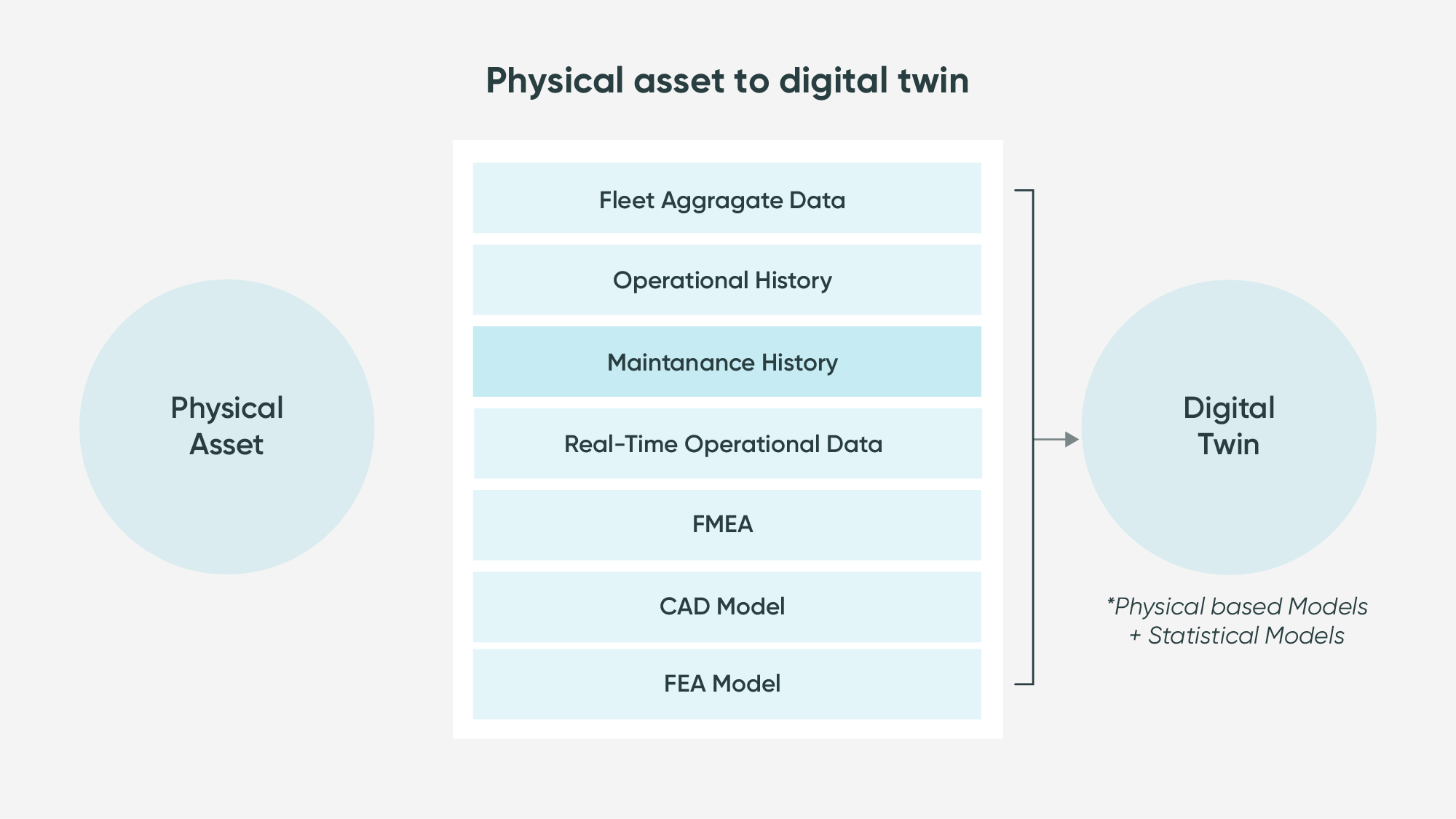
At its heart, a digital twin functions through a continuous, two-way data flow. It starts with a physical asset – perhaps a jet engine, a factory robot, or even an entire building. Sensors are attached to this asset, collecting real-time data on everything from temperature and pressure to vibration and operational status. This raw data streams constantly to a digital model hosted in the cloud or on a local server. This virtual model is more than just a 3D rendering; it incorporates physics-based models, operational algorithms, and historical data.
The virtual representation uses this incoming data to update its state, reflecting the current conditions of its physical twin. This allows engineers and operators to visualize the asset’s performance in real-time without needing to be physically present. This continuous synchronization is a key differentiator. It’s not a snapshot; it’s a live mirror. The initial creation often involves detailed CAD designs, material properties, and operational parameters, forming a robust foundational model.
The Lifecycle of a Digital Twin
The journey of a digital twin begins long before an asset is even built. Engineers can create preliminary virtual models during the design phase using CAD and simulation tools. This allows for testing concepts and optimizing designs virtually, catching flaws before physical production. Once the physical asset is deployed, the digital twin truly comes alive. Sensors are activated, and the steady stream of operational data begins populating the virtual model.
Throughout the asset’s operational life, the digital twin constantly evolves. As the physical asset undergoes maintenance, upgrades, or experiences wear and tear, these changes are reflected in the digital model. Software updates, new operational data, and analytical insights further refine its accuracy and predictive power. This iterative process ensures the twin remains a relevant and valuable reflection, adapting as its physical counterpart ages and changes, providing a persistent record and predictive tool.
Data Flow and Integration: how does digital twin technology work in Practice
The efficacy of a digital twin hinges on robust data collection and intelligent integration. Billions of IoT sensors generate vast amounts of data across various industries in the US and globally. These sensors measure critical parameters like vibration, temperature, energy consumption, and pressure. This data travels through secure networks, often leveraging cloud computing platforms, where it is processed and analyzed. Advanced analytics, machine learning algorithms, and artificial intelligence play crucial roles here.
These algorithms interpret the raw data, identify patterns, and predict potential issues. For instance, subtle changes in vibration patterns can indicate impending equipment failure. This information then updates the digital twin’s status, triggering alerts or initiating automated responses. The integrated data allows for a holistic view, moving beyond isolated data points to understand system-level behavior. It’s a closed-loop system: data from the physical asset informs the digital model, which in turn provides insights that can influence decisions affecting the physical asset. This continuous feedback loop is central to how does digital twin technology work.
Real-World Applications of how does digital twin technology work
From bustling factories to modern healthcare facilities, the practical applications are diverse and impactful. In manufacturing, digital twins monitor assembly lines, predict machinery breakdowns, and optimize production schedules. This helps reduce downtime and improves overall efficiency. For large infrastructure, like bridges or power grids, digital twins track structural integrity and performance, allowing for proactive maintenance and preventing costly failures. A city planning department in the US might use a digital twin of an entire urban area to simulate traffic flow changes or evaluate the impact of new developments.
In healthcare, digital twins of organs or even individual patients can help doctors personalize treatments and predict disease progression. The technology allows for rigorous testing of scenarios in a virtual environment without risking the actual physical asset or process. This ability to simulate, predict, and optimize operations makes digital twins an invaluable asset for industries striving for greater efficiency, safety, and innovation. Understanding how does digital twin technology work provides a clear path to realizing these tangible benefits across sectors.